
Last Updated on October 18, 2026
If your driveway, patio, or concrete pavers look dull and faded, AR500 can bring back their color with a rich, high-gloss wet-look finish. But getting good results depends on proper surface preparation, application conditions, and maintenance.
In this detailed Armor AR500 Sealer Review, we’ll explore its features, durability, coverage, drying times, advantages, disadvantages, and application requirements. We’ll also help you decide whether it’s the right concrete sealer for your project in 2026.
What Is AR500 Armor Sealer?
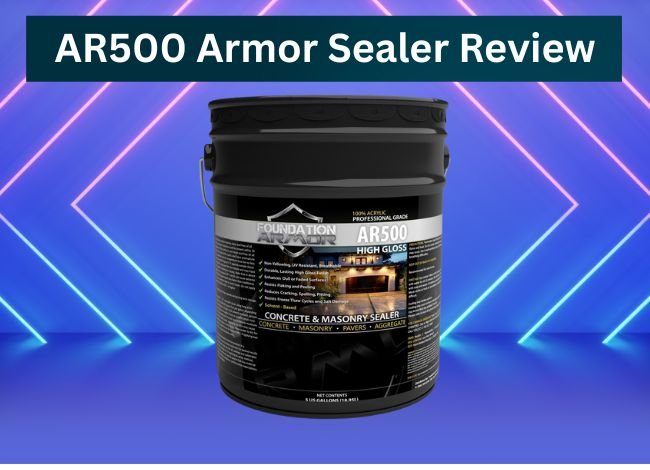
Foundation Armor AR500 is a solvent-based pure acrylic sealer designed to enhance and protect concrete and concrete pavers. It creates a durable, high-gloss surface film that darkens the concrete and brings out its natural color.
Unlike penetrating sealers that protect concrete without noticeably changing its appearance, AR500 is a film-forming product. It leaves a visible coating that gives the surface a glossy, freshly wet look.
Its acrylic formula is breathable and UV-resistant, helping reduce surface abrasion, fading, water absorption, and deterioration caused by normal weather exposure.
AR500 is particularly attractive on stamped concrete, decorative driveways, exposed aggregate, and concrete pavers. It is also available in compatible tinted options for homeowners who want more than a clear finish.
Armor AR500 Sealer Review 2026: Features and Specifications
Before buying AR500, it’s important to understand what the product actually does and how it should be applied.
| Feature | Foundation Armor AR500 |
|---|---|
| Product Type | Film-forming acrylic concrete sealer |
| Base | Solvent-based pure acrylic |
| Finish | High-gloss wet look |
| Solids Content | Approximately 25% |
| Coverage | Up to 175–225 sq. ft. per gallon per coat |
| Drying Time | Approximately 4–6 hours |
| Recoat Time | Approximately 24 hours |
| Foot Traffic | Approximately 24 hours |
| Wheel Traffic | Approximately 24–48 hours, depending on formulation |
| Application Temperature | 55°F–85°F |
| Exterior Product Life | Up to 1–3 years |
| Interior Product Life | Up to 2–7 years |
| Application | Solvent-resistant sprayer or 3/8–1/2-inch nap roller |
| Price |  Check Today’s Price on Amazon |
These specifications are based on Foundation Armor’s published product information. Drying times, allowed VOC content, and application requirements may vary with the formulation and weather conditions.
Key Features of AR500 Armor Sealer
1. High-Gloss Wet-Look Finish
The biggest attraction of AR500 is its glossy finish. It darkens concrete and pavers, making faded colors look richer and more noticeable.
This effect is especially appealing on stamped concrete and decorative surfaces where color and texture are important.
If you’re comparing different finishes, our wet-look concrete sealer reviews explain other options worth considering.
2. Durable Acrylic Surface Protection
AR500 forms a protective acrylic film over the concrete. This coating helps reduce deterioration caused by everyday foot traffic, vehicle traffic, and surface abrasion.
However, it is not a structural repair product. It cannot prevent all cracking or fix concrete that is already deteriorating.
3. UV-Resistant, Non-Yellowing Formula
The manufacturer describes AR500 as UV-resistant and non-yellowing. This helps the clear coating maintain its appearance during normal outdoor exposure.
Although the formula resists UV damage, the glossy finish may gradually wear down in areas exposed to heavy traffic and harsh weather.
4. Reduces Water Absorption
AR500 creates a protective film that helps reduce water absorption and surface deterioration.
This can be useful in climates where concrete is regularly exposed to rain, snow, ice, and deicing salts.
5. Easy to Maintain and Recoat
AR500 is self-priming and can be applied to previously sealed concrete when the existing sealer is a compatible solvent-based acrylic coating.
When the finish begins to wear, an additional coat may restore the appearance after proper cleaning and preparation.
What Surfaces Can You Seal With AR500?
AR500 is designed for several residential and commercial concrete applications.
- Concrete Driveways: Enhances faded concrete and provides a protective surface film.
- Stamped Concrete Patios: Highlights decorative patterns and colors.
- Concrete Pavers: Produces an attractive wet-look finish.
- Exposed Aggregate: Brings out the natural appearance of decorative aggregate.
- Walkways and Sidewalks: Adds gloss, although slip resistance must be considered.
- Garage Floors: Suitable for compatible concrete surfaces with appropriate ventilation and preparation.
- Pool Decks: Can be used on suitable concrete with appropriate traction precautions.
Surfaces You Should Avoid
Despite its versatility, AR500 is not intended for every masonry material.
Foundation Armor specifically advises against applying it to clay brick, red Chicago pavers, flagstone, slate, or natural stone.
It also should not be applied directly over paint, epoxy, urethane, acrylic latex, or incompatible water-based acrylic coatings.
For natural stone or masonry surfaces where you want invisible protection, a suitable penetrating masonry sealer may be more appropriate.
How to Apply AR500 Armor Sealer
AR500 is relatively straightforward to apply, but careful preparation is essential. Applying it over moisture, dirt, or an incompatible coating can cause bubbling, peeling, whitening, or poor adhesion.
Step 1: Clean the Concrete Thoroughly
Remove dirt, dust, grease, oil stains, algae, and loose debris. Pressure washing is often sufficient, although stubborn stains may need separate treatment.
For more preparation advice, read our guide on how to clean a driveway before sealing.
Step 2: Allow the Surface to Dry
If you pressure-washed the concrete, allow at least 24 hours for drying before applying AR500. Cool, shaded, or humid conditions may require additional time.
The surface must be completely dry. Trapped moisture can lead to hazing, whitening, or coating failure.
Step 3: Check the Temperature and Weather
Foundation Armor recommends applying AR500 when air and surface temperatures are between 55°F and 85°F.
Early evening is generally the preferred time because the concrete is cooling and no longer exposed to direct overhead sunlight.
Avoid applying AR500 during the hottest part of the day, in unsuitable humidity, or when rain may interfere with drying.
Step 4: Apply a Thin, Even Coat
Use a 3/8–1/2-inch nap roller or a suitable solvent-resistant commercial pump sprayer.
Apply the sealer evenly in manageable sections. Avoid puddles and excessively thick applications, which can cause bubbling, uneven gloss, or a sticky finish.
Step 5: Apply the Second Coat
Foundation Armor recommends two coats approximately 24 hours apart for a consistent wet-look appearance.
Some previously sealed surfaces may require only a maintenance coat. Follow the manufacturer’s recommendations for your particular surface.
Step 6: Allow Proper Drying Time
AR500 generally dries within approximately 4–6 hours, but that does not mean the surface is immediately ready for traffic.
The manufacturer recommends around 24 hours before foot traffic and up to 48 hours before vehicle traffic, depending on the formulation and conditions.
For additional guidance, see how long driveway sealer takes to dry.
AR500 Coverage: How Much Sealer Do You Need?
Coverage depends on the surface’s porosity and preparation.
- Porous Concrete: Up to approximately 175 square feet per gallon per coat.
- Properly Prepared Smooth Concrete: Up to approximately 200–225 square feet per gallon per coat.
- Recommended Application: Two thin coats for a consistent finish.
For example, if you have a 600-square-foot driveway and estimate coverage at 175 square feet per gallon, you’ll need approximately 3.4 gallons for each coat.
For two coats, the estimated total is 6.9 gallons, before allowing for application losses or unusually porous areas.
Ordering enough material for both coats helps avoid delays and inconsistent results.
How Long Does AR500 Armor Sealer Last?
Durability is one of the most important considerations when choosing a concrete sealer.
According to Foundation Armor, AR500 provides approximately 1–3 years of exterior service life and up to 2–7 years indoors when properly applied.
This is considerably different from the 7–10-year claims sometimes associated with long-lasting penetrating concrete sealers.
Actual performance depends on several factors:
- Vehicle and foot traffic.
- Exposure to direct sunlight.
- Snow, ice, rain, and deicing salts.
- Concrete porosity and surface condition.
- Application thickness and number of coats.
- Cleaning methods and maintenance.
A lightly used decorative patio may maintain its finish longer than a busy driveway.
Check the surface periodically and consider recoating when the gloss fades, the coating becomes worn, or water protection declines.
How Does AR500 Perform in Different Weather Conditions?
Cold and Snowy Weather
AR500 helps reduce water absorption and surface damage associated with freeze-thaw cycles and deicing salts.
However, it cannot prevent concrete from cracking when structural movement, existing deterioration, or severe moisture problems are present.
Hot and Sunny Climates
Its UV-resistant acrylic formula helps protect the finish from yellowing during sun exposure.
Nevertheless, repeated heat, traffic, and abrasion may gradually reduce surface gloss.
Rain and Humidity
The protective acrylic film reduces moisture absorption, but proper drying during application is essential.
Applying sealer to damp concrete can trap moisture and cause whitening or adhesion problems.

Does Armor AR500 Make Concrete Slippery?
One potential downside of a high-gloss acrylic coating is reduced traction, especially when the concrete becomes wet.
AR500 can make smooth driveways, patios, and walkways more slippery. This is particularly important around swimming pools, stairs, and sloped surfaces.
Foundation Armor offers compatible non-slip additives that can improve traction when incorporated according to the manufacturer’s instructions.
However, adding texture does not guarantee that a surface will be slip-proof. Always consider the intended use, surrounding conditions, and required traction before choosing a glossy sealer.
AR500 vs. AR350 vs. SX5000
Foundation Armor offers different sealers for homeowners with different protection and appearance preferences.
| Feature | AR500 | AR350 | SX5000 |
|---|---|---|---|
| Formula | Solvent-based acrylic | Solvent-based acrylic | Solvent-based silane-siloxane |
| Finish | High-gloss wet look | Low-gloss wet look | Natural appearance |
| Sealer Type | Film-forming | Film-forming | Penetrating |
| Color Enhancement | Strong | Moderate | No intentional change |
| Best For | Glossy decorative concrete | Subtle wet-look finish | Invisible water repellency |
Choose AR500 if you want a noticeably shiny, wet-look finish.
Choose AR350 if you prefer a less reflective appearance with similar acrylic protection.
Choose SX5000 if you want penetrating water repellency without changing the concrete’s appearance. You can learn more in our Foundation Armor SX5000 review.
Pros and Cons of Armor AR500
Pros
- Produces an attractive high-gloss wet-look finish.
- Enhances faded concrete and decorative paver colors.
- Offers UV-resistant, non-yellowing acrylic protection.
- Helps reduce water absorption and surface abrasion.
- Can be applied with a suitable roller or solvent-resistant sprayer.
- Compatible with properly prepared surfaces previously sealed with solvent-based acrylic.
- Available in clear and compatible tinted options.
Cons
- Can become slippery when wet.
- Strong solvent odor requires appropriate ventilation and safety precautions.
- Cannot be applied over many existing coatings.
- Not suitable for asphalt, clay brick, or natural stone.
- May require recoating within 1–3 years outdoors.
- Limited resistance to certain automotive chemicals and solvents.
- Improper application may cause hazing, bubbling, or uneven gloss.
Maintenance Tips for AR500-Sealed Concrete
Proper maintenance helps preserve the appearance of the sealer and can reduce premature wear.
- Clean Regularly: Sweep away dirt, leaves, and abrasive debris.
- Use Mild Cleaners: Avoid aggressive solvents and harsh chemicals that may damage the acrylic coating.
- Remove Spills Promptly: Gasoline, brake fluid, and similar automotive chemicals can affect the finish.
- Avoid Excessive Pressure Washing: High-pressure cleaning may wear away the coating.
- Inspect Annually: Look for fading, scratches, whitening, or worn high-traffic areas.
- Recoat as Needed: Follow the manufacturer’s instructions before applying a maintenance coat.
If the existing coating is peeling, discolored, or incompatible, simply adding another coat may make the problem worse. Proper preparation or coating removal may be necessary.
VOC and Safety Considerations
AR500 is a solvent-based sealer, so proper handling is essential.
Foundation Armor offers different VOC formulations, including a 50 VOC option for areas with stricter regulations. Buyers should verify local requirements before ordering.
During application:
- Wear chemical-resistant gloves and eye protection.
- Follow the Safety Data Sheet for appropriate respiratory protection.
- Ensure adequate ventilation, particularly indoors.
- Keep the sealer away from flames, sparks, and ignition sources.
- Keep children and pets away from the application area.
- Use the manufacturer’s recommended solvent for equipment cleanup.
A basic dust mask does not protect against solvent vapors. Follow the specific safety instructions for the purchased formulation.
Price and Value for Money
AR500 may cost more than basic concrete sealers, but its high-gloss appearance and surface protection can make it worthwhile for decorative concrete projects.
Its value depends on the size of the project, surface porosity, required number of coats, and how frequently the surface will need maintenance.
Before buying, calculate the total material required rather than comparing container prices alone.
If you’re sealing a large driveway, the five-gallon container may be more practical than buying individual one-gallon bottles. However, compare current unit prices before deciding.
Final Verdict: Is AR500 Armor Sealer Worth Buying?
Armor AR500 is a good choice if you want to enhance concrete with a high-gloss wet-look finish while adding a protective acrylic coating.
It works particularly well on compatible stamped concrete, concrete driveways, decorative patios, exposed aggregate, and concrete pavers.
However, it isn’t the best option for every surface. If you want a natural appearance, a penetrating sealer may be more suitable. If traction is a major concern, you should also consider a less glossy finish.
AR500 can deliver an attractive result, but proper surface preparation, thin coats, correct drying times, and regular maintenance are essential.
Based on this Armor AR500 Sealer Review, the product is worth considering for homeowners who prioritize color enhancement and a glossy decorative finish. Just remember that exterior durability is generally measured in a few years, not a decade.
Frequently Asked Questions About Armor AR500 Sealer
1. How long does Armor AR500 sealer last?
Foundation Armor states that AR500 can last up to 1–3 years outdoors and 2–7 years indoors, depending on traffic, weather, preparation, and maintenance.
2. How many coats of AR500 should I apply?
The manufacturer recommends two thin coats approximately 24 hours apart for an even high-gloss finish. Some maintenance applications may require only one coat.
3. Can Armor AR500 be applied over an existing sealer?
Yes, but only over properly prepared concrete that was previously sealed with a compatible solvent-based acrylic sealer. It should not be applied directly over epoxy, urethane, paint, or incompatible water-based coatings.
4. Is Armor AR500 slippery when wet?
It can be. Its glossy acrylic coating may reduce traction, especially on smooth surfaces. Compatible non-slip additives can help improve grip when used correctly.
5. Can AR500 be used on asphalt driveways?
No. AR500 is designed for compatible concrete and concrete paver surfaces, not asphalt. Asphalt driveways require a suitable asphalt-specific sealer.
6. How long should I wait before driving on AR500?
Depending on the formulation, Foundation Armor recommends approximately 24–48 hours before wheel traffic. Always follow the technical instructions for the exact product and allow additional time in unfavorable conditions.